Osteoarthritis ataupun radang sendi tulang merupakan penyakit sendi kronik yang berlaku akibat daripada kerosakan pada tulang rawan (cartilage). Ia juga boleh berlaku pada mana-mana sendi namun lebih kerap berlaku pada bahagian sendi lutut dan bahu. Selain itu, sendi lain yang sering dikaitkan dengan osteoarthritis termasuk jari, pinggul, dan tulang belakang.
Walaupun sakit lutut selalunya berlaku kepada individu yang berumur, namun pada hakikatnya ia juga boleh terjadi kepada golongan muda. Satu kajian menyatakan bahawa julat umur pesakit yang mengalami sakit radang sendi boleh bermula dari seawal umur 38 tahun sehingga 83 tahun. Justeru, terdapat beberapa keadaan dimana anda perlu tahu boleh meningkatkan risiko seseorang untuk lebih mudah terkena sakit lutut.
Rujukan: https://www.ncbi.nlm.nih.gov/pmc/articles/PMC8381666/
Keadaan yang berisiko untuk menyebabkan seseorang itu mengalami sakit sendi lutut
1. Mempunyai berat badan yang berlebihan
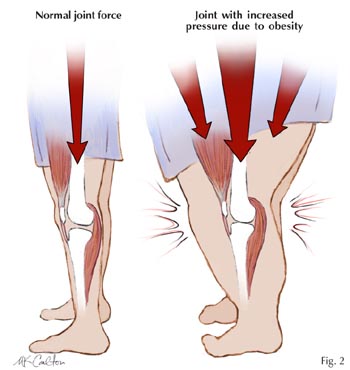
Mereka yang mempunyai berat badan yang berlebihan adalah lebih cenderung untuk mendapat sakit lutut. Ini adalah kerana, tekanan pada sendi lutut yang bergerak adalah lebih besar jika dibandingkan dengan seseorang yang mempunyai berat badan yang terkawal. Jadi kesannya akan dapat dilihat pada peningkatan kadar penggunaan lutut yang lebih tinggi dan peningkatan kadar penggunaan tulang rawan (cartilage) yang sekaligus meningkatkan risiko osteoartritis.
2. Kurang melakukan aktiviti regangan otot

Otot yang kuat berfungsi untuk memberi perlindungan kepada bahagian sendi yang berdekatan. Oleh itu, jika kekuatan daya tahan otot menjadi lemah ia juga tidak dapat untuk memberikan perlindungan yang baik ke atas sendi yang sekaligus memudahkan ia untuk cedera dengan lebih mudah.
3. Melakukan kerja dan aktiviti yang berisiko
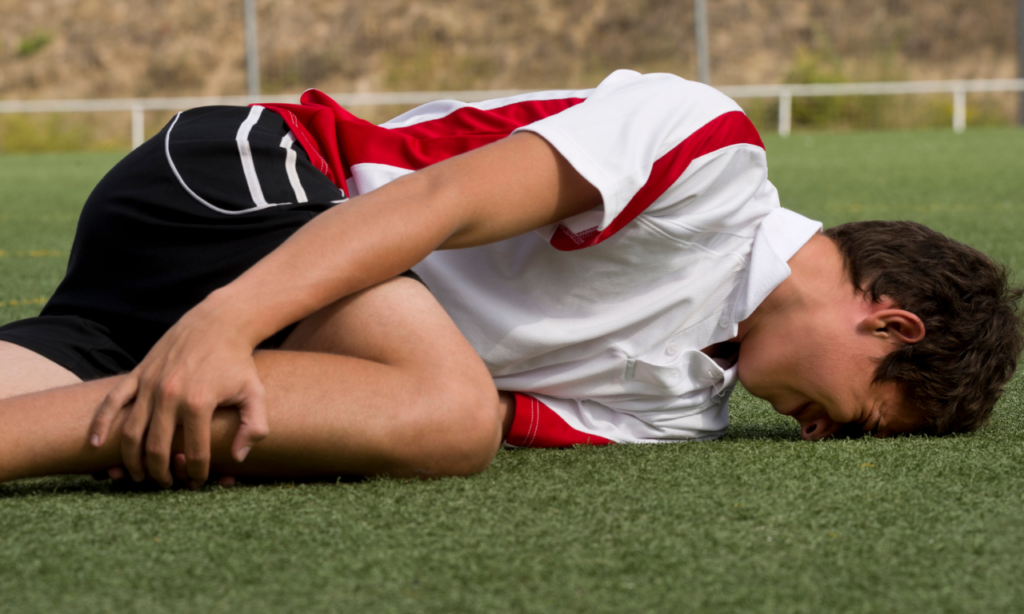
Aktiviti bersukan yang melibatkan larian, berbasikal dan melompat biasanya akan lebih berisiko untuk mendapat kecederaan lutut. Jika dilakukan dalam jangka masa yang lama akan menyebabkan penggunaan sendi lutut berlebihan justeru berisiko tinggi mendapat osteoarthritis pada usia muda. Selain itu, individu yang bekerja sebagai guru, pekerja buruh, petani, pemandu bas, trak, dan lori juga berisiko mendapat sakit sendi lutut atas sebab berdiri terlalu lama ataupun melibatkan aktiviti yang memberikan tekanan kepada sendi lutut.
4. Individu yang pernah mengalami kecederaan lama
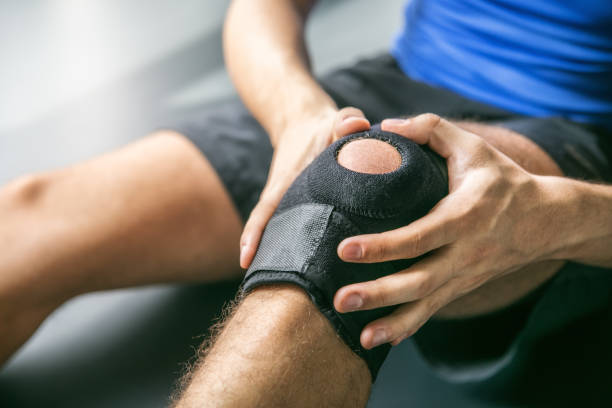
Kebiasaannya mereka yang pernah mengalami kecederaan yang berulang kali pada lutut juga akan cenderung untuk mengalami osteoarthritis lutut.
Tanda-Tanda Sakit Lutut
Bagaimana hidrogen dapat membantu merawat sakit radang sendi (Osteoarthritis)?
Amalkan gaya hidup sihat untuk mengelakkan diri anda dari mengalami sakit lutut pada usia muda. Jika anda ada mengalami masalah sakit lutut, Hi-Bliss boleh membantu mengurangkan rasa sakit dan ketidakselesaan anda. Dapatkan rawatan anda sekarang di pusat fisioterapi kami!
Knee problems can affect both men and women. Whether due to athletics, aging, injury, or posture, all can be factors contributing to knee pain. However, women are reported to be 2 to 8 times more likely than men to experience knee pain and injuries, regardless of their level of physical activity1. The World Health Organization also states that 60% of osteoarthritis patients are women2. But how does this happen?
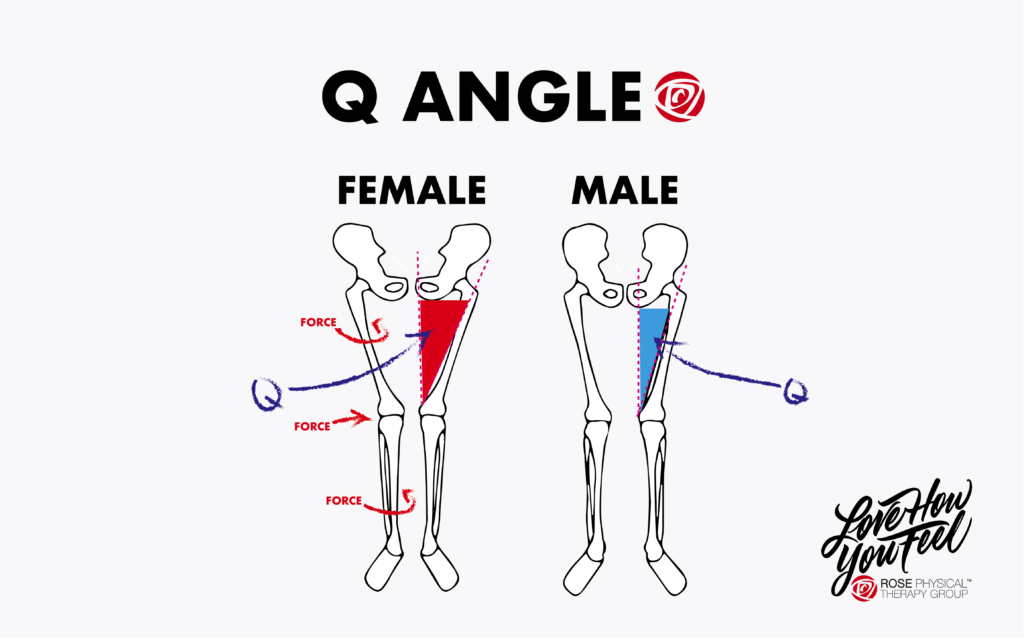
The unique qualities of women's knees can be observed through the differences in their hips. Women's hips tend to be slightly wider than men's, affecting the positioning of their leg bones in relation to the pelvis. Their knees are more likely to tilt inward while the ankles remain spaced apart. This can result in increased stress on the anterior cruciate ligament (ACL), the crucial tissue that connects and stabilizes the thigh bone to the shin at the knee joint. The variation in alignment can also impact the way they walk, run, and perform other lower-body movements.
2. Hormones
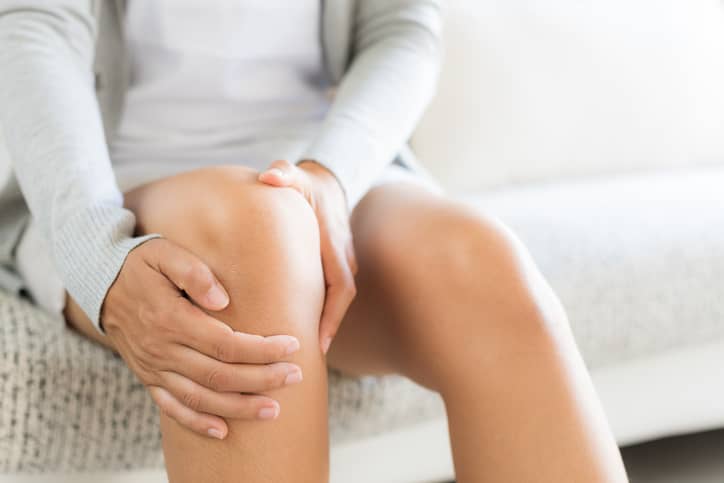
Estrogen is known to have positive effects on maintaining bone density and promoting increased flexibility in joints. However, during the menstrual cycle, estrogen levels fluctuate, and when this occurs, it may be associated with a higher likelihood of knee and ankle injuries.
3. Muscle imbalance
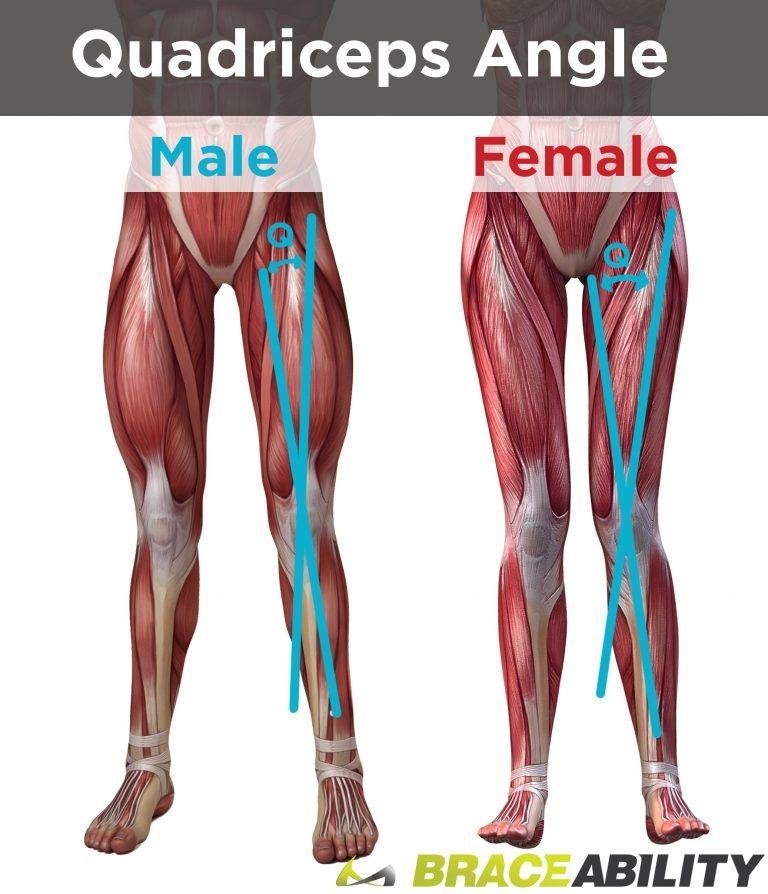
In women's muscle development, their quadriceps (front thigh muscles) tend to become stronger than the hamstrings (back thigh muscles), creating an imbalance in muscle strength that can potentially affect joint stability and function. This imbalance becomes evident during activities such as running, jumping, or even simple movements like walking, putting increased stress on the knee joint. This imbalance may contribute to issues such as knee pain, instability, or an elevated risk of injuries, including anterior cruciate ligament (ACL) injuries during those activities.
4.Wearing heels for long period of times
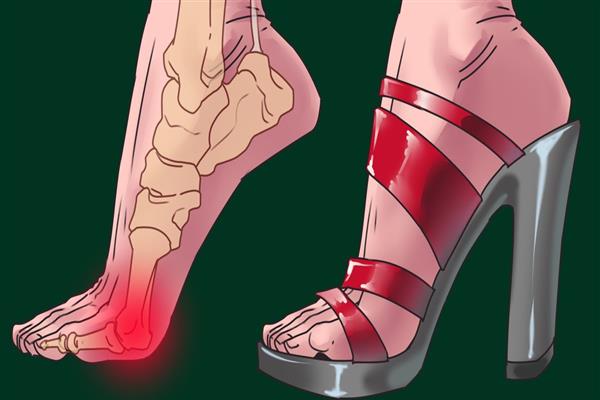
The heightened stress resulting from habitual wearing of high-heeled shoes among women can potentially impact the alignment and function of the knee joint during each step. When wearing heels, the body’s weight shifts forward, placing increased pressure on the balls of the feet and altering the distribution of forces throughout the lower limbs. Over an extended period, the repetitive stress and altered biomechanics associated with wearing high heels can lead to chronic issues.
If knee pain persists, worsens, or is accompanied by other concerning symptoms, it is advisable to seek medical advice for a proper diagnosis and treatment plan. However, if the pain is mild or moderate, it can also be treated at home with self-care measures. Here are some self-care measures that may help alleviate mild knee pain3.
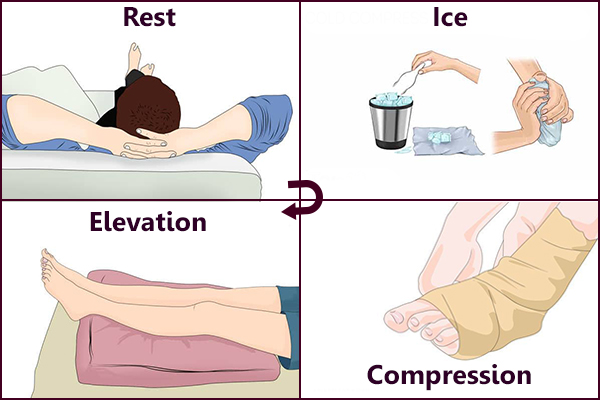
R - Rest: Give your knee some time to rest and avoid activities that may worsen the pain. This can help prevent further irritation or strain.
I - Ice (Cold Packs): Applying ice packs to the affected area can help reduce inflammation and numb the pain. Avoid applying ice directly to the skin. Wrap the ice in a towel or use an ice pack to apply on the painful area. Apply it to the knee for about 15-20 minutes at a time.
C - Compression: Use a compression bandage to help reduce swelling and provide support to the knee. Ensure that the bandage is tight enough to support circulation but not too tight to hamper it.
E - Elevation: Elevating the leg when resting can help minimize swelling. Prop your leg up on a pillow or cushion to keep it elevated.

Practice gentle and low-impact exercises to maintain flexibility and strength in the knee. Always warm up before exercising and cool down afterward. Stretch the muscles in the front of your thigh (quadriceps) and in the back of your thigh (hamstrings).
Being overweight can put excessive strain on your knee. Therefore, maintaining a healthy weight through proper diet and exercise can help alleviate stress on the knees.
Wearing shoes with cushioned insoles can help reduce strain on your knees and alleviate knee pain. Choosing supportive and comfortable shoes can also contribute to proper alignment, especially during weight-bearing activities.
However, if your knees are experiencing severe pain, do not delay seeking medical help. It's essential to listen to your body and avoid pushing through severe pain. If home remedies do not bring relief, or if the pain persists, consult with a healthcare professional and physiotherapist for a thorough evaluation and appropriate treatment recommendations.
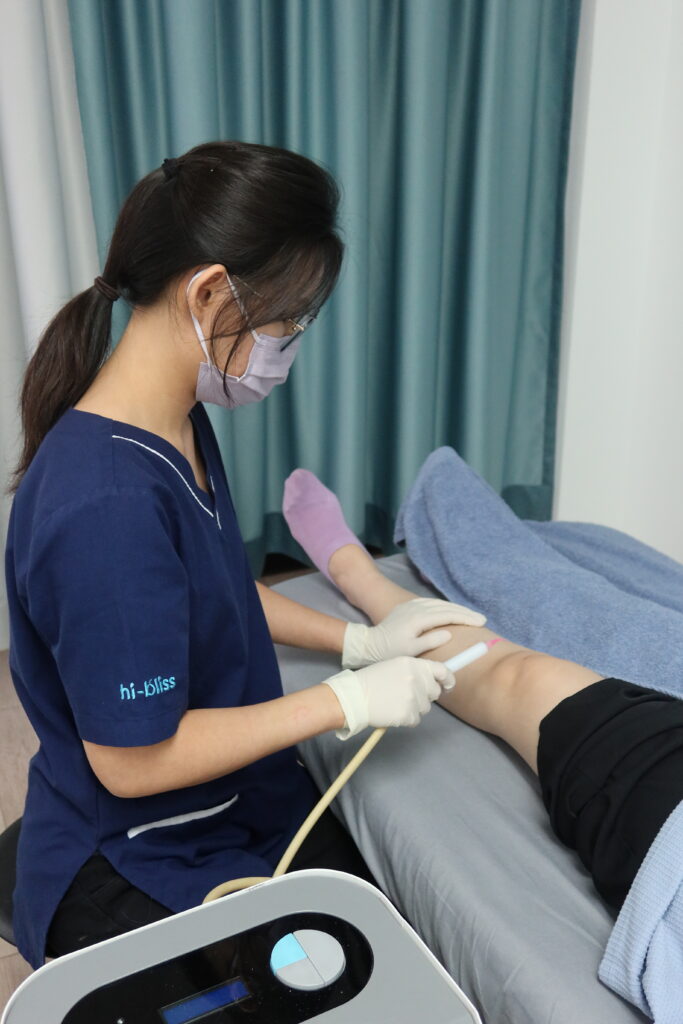
Hi-Bliss Hydrogen therapy combines molecular hydrogen with physiotherapy to address various health conditions, including muscle and joint pain. At Hi-Bliss, we have successfully assisted over 1000 customers suffering from joint pain, particularly in the knee and shoulder areas.
Our hydrogen therapy treatment is primarily 100% natural and non-invasive. You can rest assured as the treatment is pain-free and has no side effects afterward. During the session, patients may experience the infusion of cool air onto their skin, promoting a sense of calm and relaxation.
Moreover, hydrogen's unique ability to selectively eliminate toxic free radicals causing oxidative stress and reduce inflammation in the joint area helps prevent further damage to joint tissues. This therapeutic effect has proven effective in reducing knee pain and providing long-term relief. Protect yourself from potential knee injuries in the future. If you're experiencing pain in your knee or any joint area, consult with a healthcare professional to prevent worsening. Take proactive steps towards healthier joints today with Hi-Bliss!
Knee Pain is a condition that many people of all ages face during their lives. It can have a wide variety of causes and may happen suddenly with great intensity or may manifest as a dull ache over a long period of time.
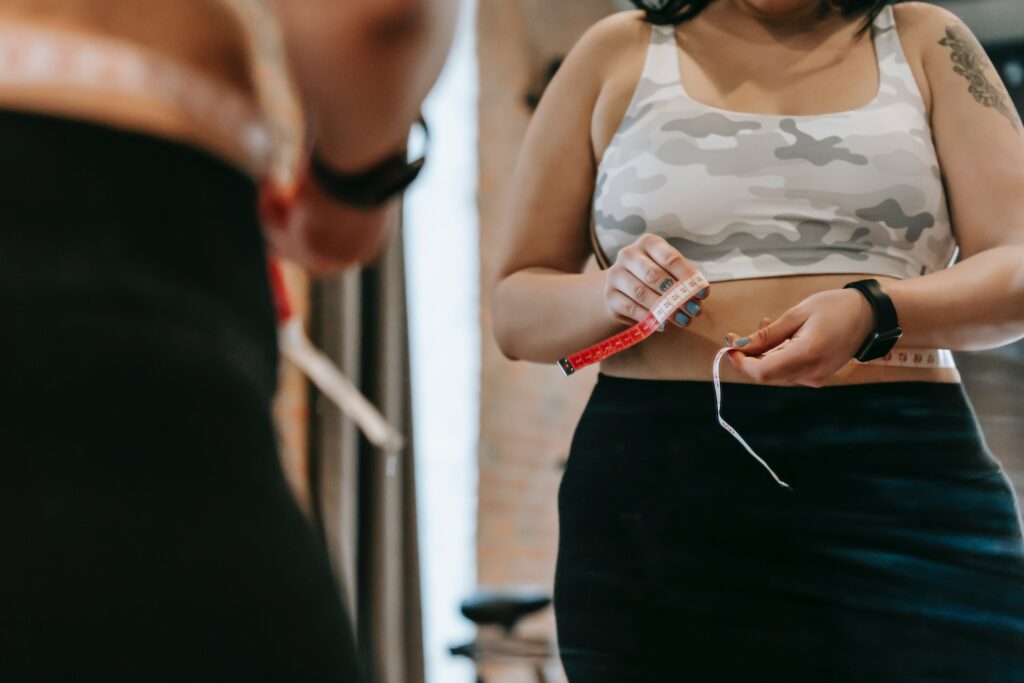
Over 50% of Malaysians are either overweight or obese. This means that if you aren’t overweight yourself, you are very likely to know a person who is overweight or obese. Structures of the Anterior Knee such as the Patella, the largest sesamoid bone in the body, experience forces equal to up to five times our body weight. Having a high body weight can contribute to these bones and joints overworking to compensate. More wear and tear will occur on the knee as a result.

The most common form of Knee Injury is Knee Sprain. According to a study, strains and pains accounted for more than 40% of knee injuries. A study conducted in 2015 estimates that 32% and 57% of all knee strains and sprains occurred at a sports venue.
One of the major sources of knee injuries comes from Anterior Cruciate Ligament (ACL) Injuries. These injuries are common in athletes who participate in sports that involve a lot of high-impact pivoting movements. This includes sports like football (also known as soccer in the United States), basketball and badminton.
Another sports-related knee injury is the Meniscus Tear which occurs in sports that involve a lot of twisting and tackling of the knee.
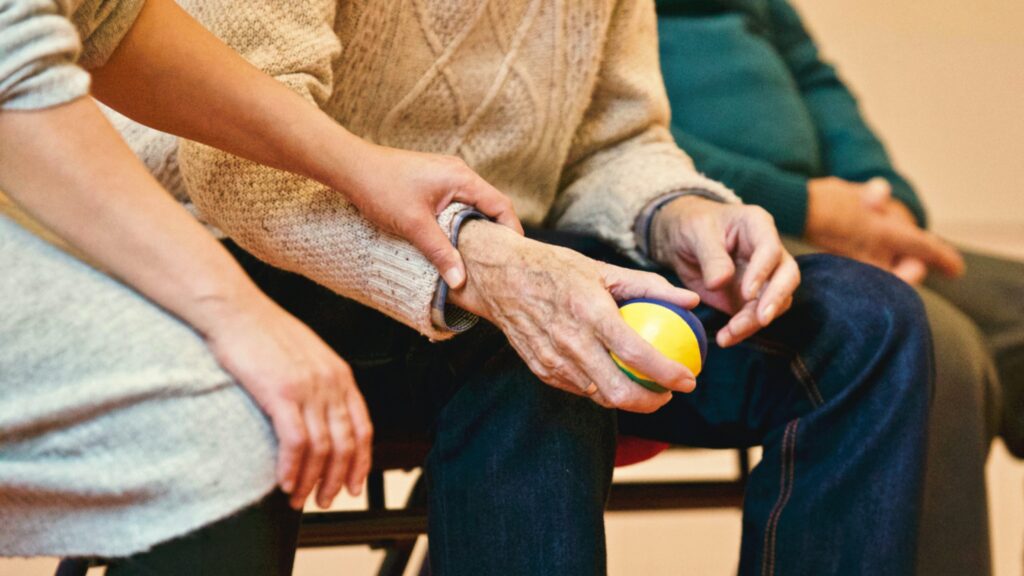
As you get older, your muscles and bones start to deteriorate. This can cause weakness and pain in your joints. Furthermore, as you get older, the Menisci (cushioning in your knees) will start to wear away causing a condition known as Osteoarthritis.
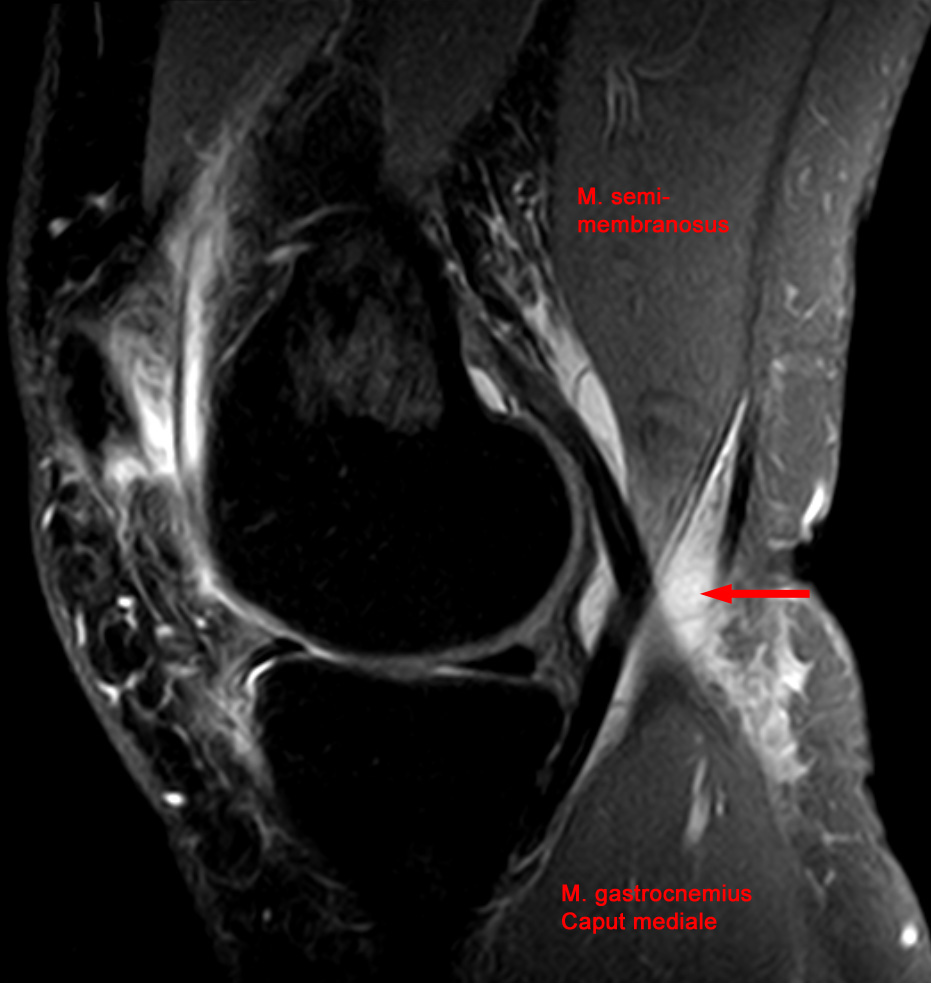
Known also as a Popliteal Cyst, a Baker Cyst is a fluid-filled cyst that may manifest at the back of the knee causing stiffness and discomfort. These cysts normally form due to meniscus tears or osteoarthritis. This happens as a result of the body’s response to inflammation – increasing the flow of synovial fluid until it accumulates behind the knee.
Non-surgical treatment options are available for managing Baker Cysts such as the usage of NSAIDs (Non-Steroidal Anti-Inflammatory Drugs), Steroid Injections and Aspiration (removal of the fluids). However, large cysts that are causing nerve or vascular problems may be removed via excision surgery.
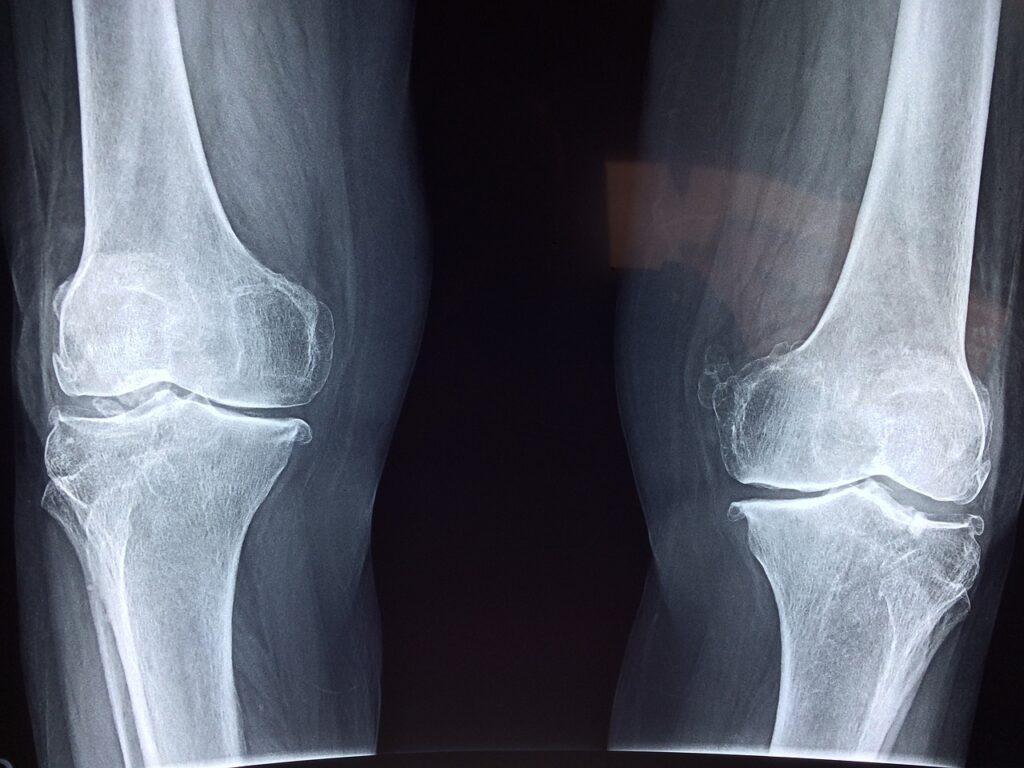
If you are suffering from Osteoarthritis of the knee, you will likely experience pain while walking, particularly when going up or down inclines like hills or stairs. You may hear a grinding or grating sound in your joints while moving it. In severe cases, your knees might even buckle, causing imbalance or difficulty in balancing. We have written an article about Osteoarthritis, click here to read it.
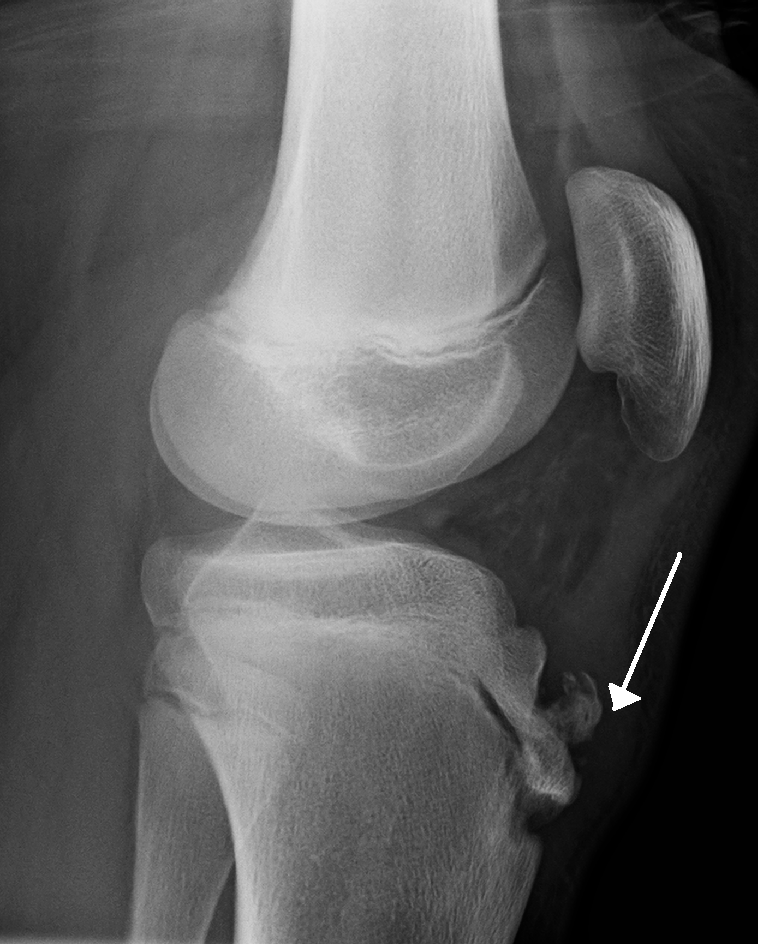
Osgood-Schlatter Disease is a type of swelling below the knee joint along the tendons on the front of the knee. It is caused by irritation of the bone growth plate and mainly affects children, especially growing children who are active in sports.
This condition usually goes away with ample bed rest and a reduction of intensive activity for children who are susceptible to the condition. Ice Packs after activity and the usage of knee pads may help reduce the effects of the condition. Medicine such as acetaminophen or NSAIDs may be used as advised by your doctor.
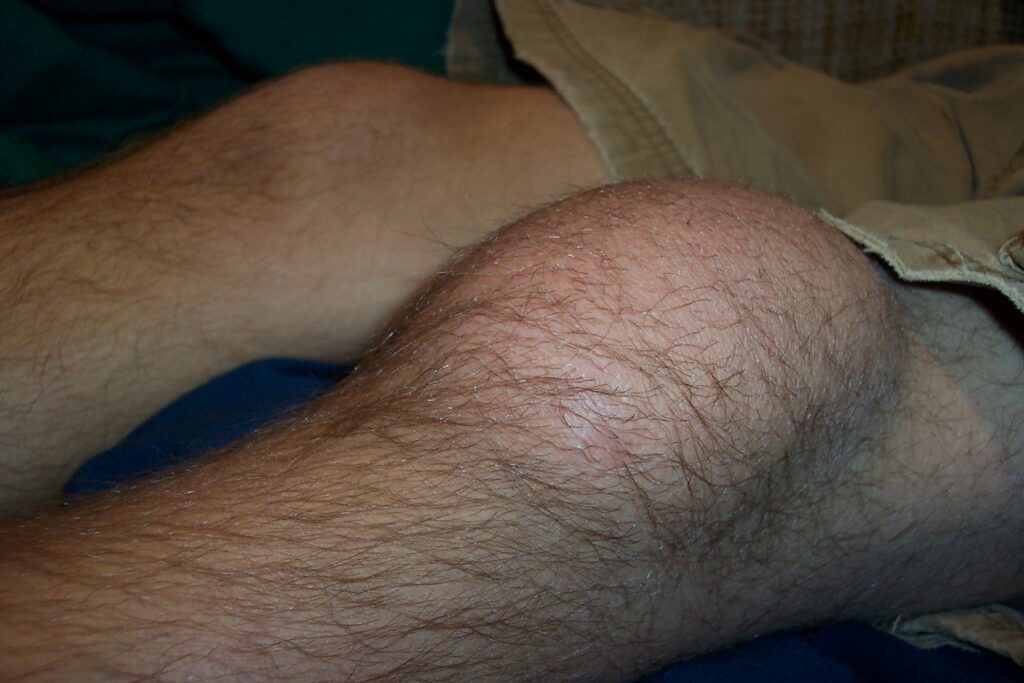
Bone infections are also known as osteomyelitis and they may be responsible for acute or chronic knee pains. It occurs when bacteria enters the bone through your bloodstream or through an open wound. Symptoms of osteomyelitis include fevers, chills, local swelling and general discomfort.
Treatment is usually conducted with antibiotics to kill off the harmful bacteria and, in severe cases, surgery.
Though certain knee pain conditions require medical intervention by your doctor, here are some things you can do at home to assist your recovery journey.

Bedrest is an important aspect of recovering from bouts of knee pain as movement can cause compression on the knee joint which prevents it from recovering as quickly as it should. When lying down, keep your knee raised to reduce swelling. You can use a pillow underneath your knee while sleeping to keep it elevated.
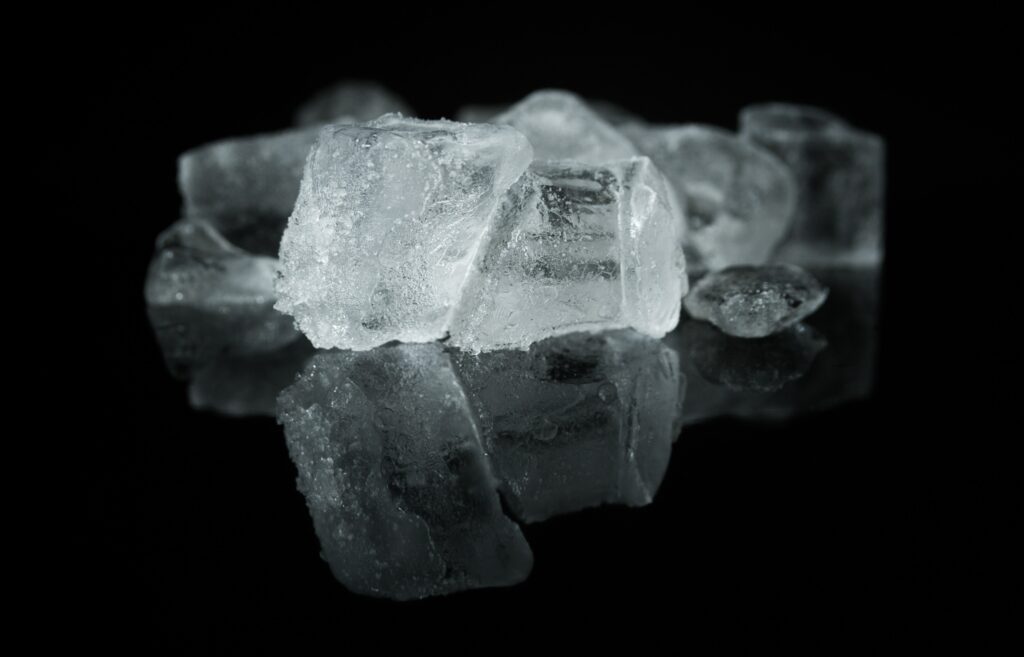
Icing the area is another thing you can do from your home to improve recovery from knee injuries. Wrap some ice cubes or an ice pack in a bundle of cloth and apply it to the swollen or painful areas. Refrain from pressing the ice directly onto the skin to prevent discomfort or injury.
Always warm up before exercise and cool down after you are done. This can be done by conducting some stretches of the muscles on the front and back of your thighs, your quadriceps and your hamstrings. Watch this video for some simple stretching exercises as taught by our Hi-Bliss Physiotherapists

As your knee joint bears a lot of weight during daily activities, it is important to reduce the impact where possible. This includes walking down inclines (downhill) instead of running. When it comes to exercise choice, instead of running or jumping, consider cycling or swimming.

As we have mentioned before, obesity plays a huge factor in your joint health. Managing your weight can bring many healthcare benefits including improving your cardiovascular health, your lungs and even your mood! If you are suffering from weight-related knee pain, you should consider speaking to your doctor or a dietician about weight loss options.
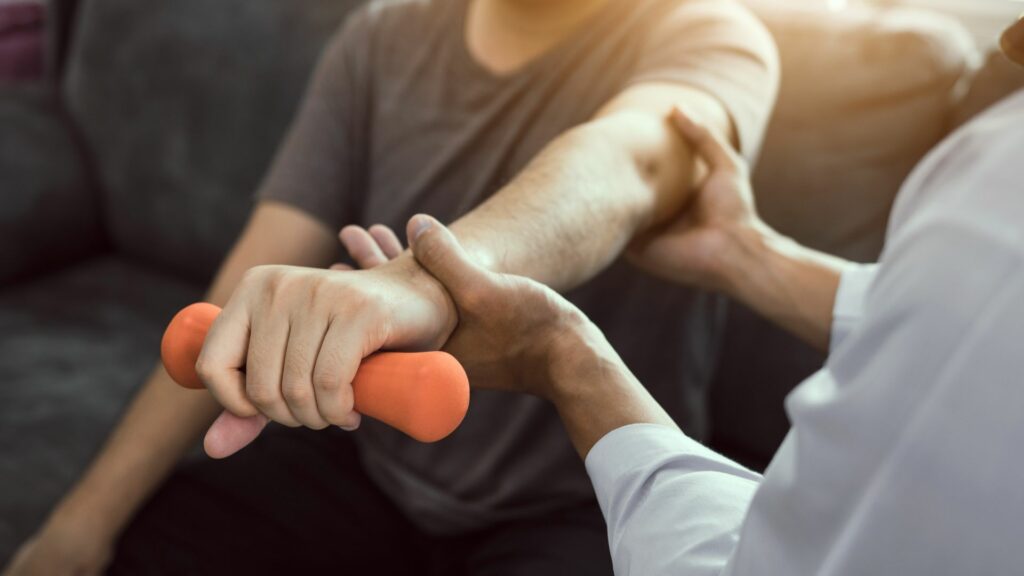
Physiotherapy isn’t necessarily only for those with injuries. You may consider physiotherapy as a preventative route to reduce your risk of knee pain or injury. Physiotherapists can help by strengthening your surrounding muscles to help give your knee joint more support.
We already suggested physiotherapy in the previous section but what if there was something better than just physiotherapy?
Hi-Bliss Hydrogen Therapy combines the anti-inflammatory properties of Molecular Hydrogen and a team of highly-trained physiotherapists to help people who are suffering from knee pain improve their condition and reclaim their active and healthy lives.
During your first session with Hi-Bliss, our physiotherapists will conduct a few health assessments to identify the state of your condition. It will be helpful to bring some of your scans or medical reports from previous doctor visits.
Then, our therapists will perform a palpation check, a sense-of-touch test to identify muscle weaknesses and stiffnesses.
When that is done and treatment points are identified, our physiotherapists will spray molecular hydrogen gas onto your body.
Hydrogen gas is non-invasive but due to its nature as the smallest molecule, it can penetrate your skin painlessly to relieve inflammation in your body and joints. This is done by reducing oxidative stress by neutralising free radicals. There are no side effects to Hydrogen Therapy so no worries and no fuss. All you need to do while undergoing Hydrogen Therapy is just relax!
After being sprayed with Hydrogen gas, our therapists will conduct manipulation on your body. This includes some static stretching and massages.
Finally, your Hi-Bliss Therapist will teach you some basic stretching and strengthening exercises to do at home for a holistic healing experience.
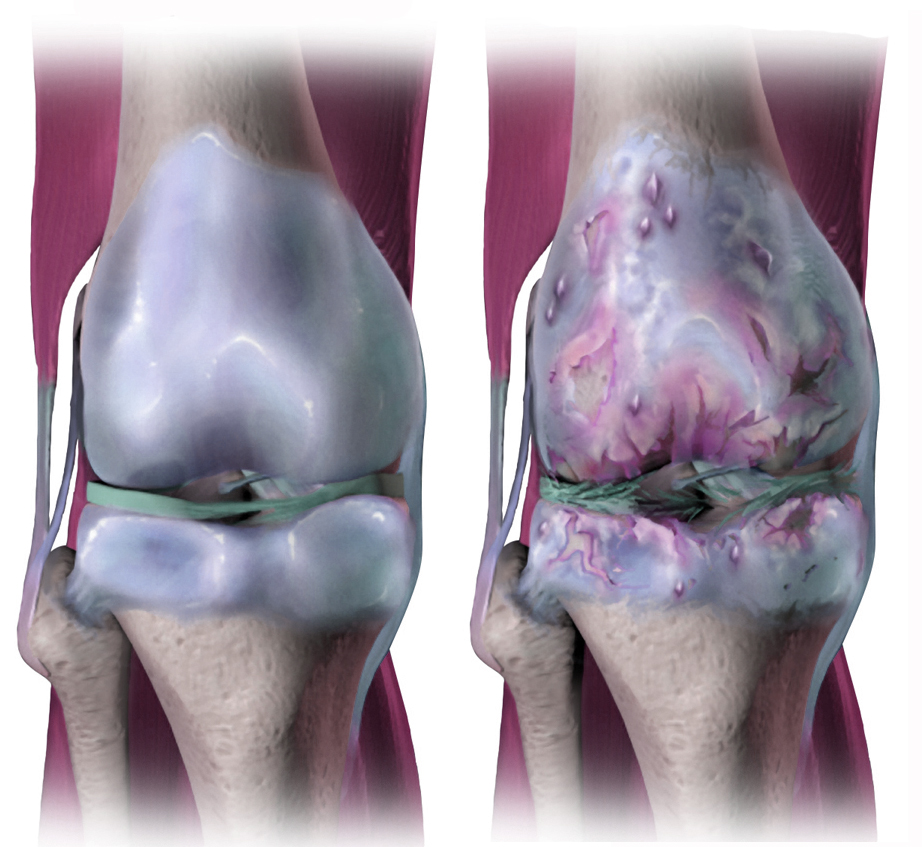
Osteoarthritis (also known as OA) is a joint condition that affects a significant number of people worldwide, especially older individuals. It is the most common form of arthritis and is a major cause of disability in the elderly population. Osteoarthritis occurs when the cartilage that normally cushions the joints starts to break down, this causes the bones in the joint to not have that much-needed protective layer between them. This causes more friction on the bones and can cause a wide array of symptoms.
Joints that are commonly affected by this condition are mainly weight-bearing joints such as the knees, hips and spinal joints. Osteoarthritis has also been observed in fingers, wrists and elbows too.
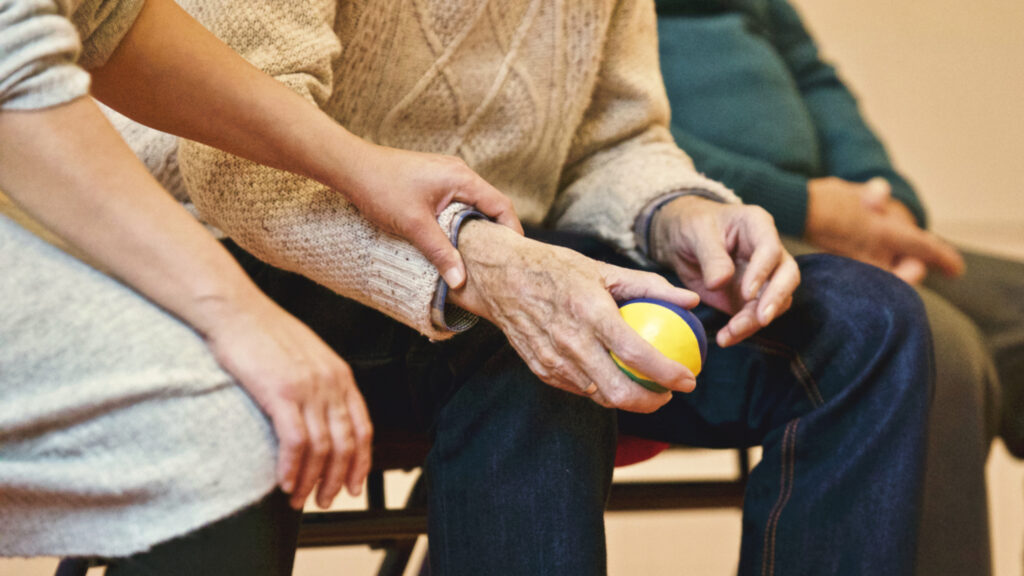
The main symptoms of osteoarthritis are joint pain & stiffness. This can cause mobility issues and may affect your ability to remain active. In most cases, symptoms come in waves and can be tied to your activity level and external factors like the weather.
You are most likely to be suffering from Osteoarthritis if you are experiencing:
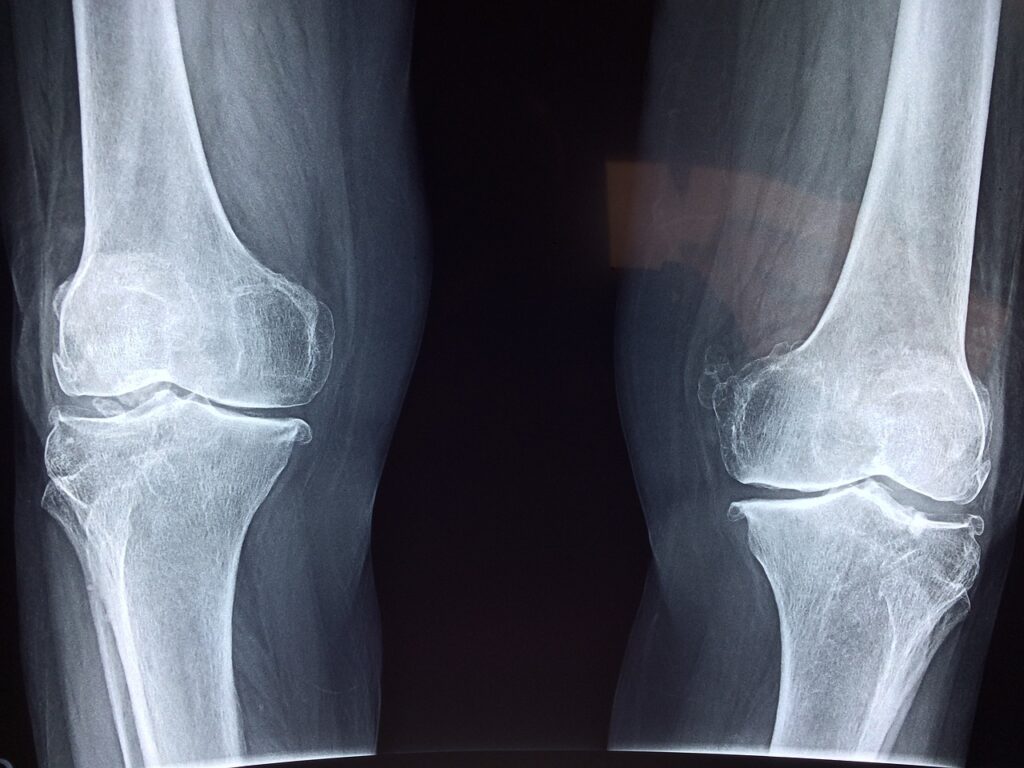
A common form of osteoarthritis encountered is Knee Osteoarthritis. If you are suffering from Osteoarthritis of the knee, you will likely experience pain while walking, particularly when going up or down inclines like hills or stairs. You may hear a grinding or grating sound in your joints while moving it. In severe cases, your knees might even buckle, causing imbalance or difficulty in balancing.
As Osteoarthritis is a leading condition among the elderly, it can be said that there are many risk factors that could contribute to people being afflicted with this condition. Some of these risk factors are within your control but not all of them are.
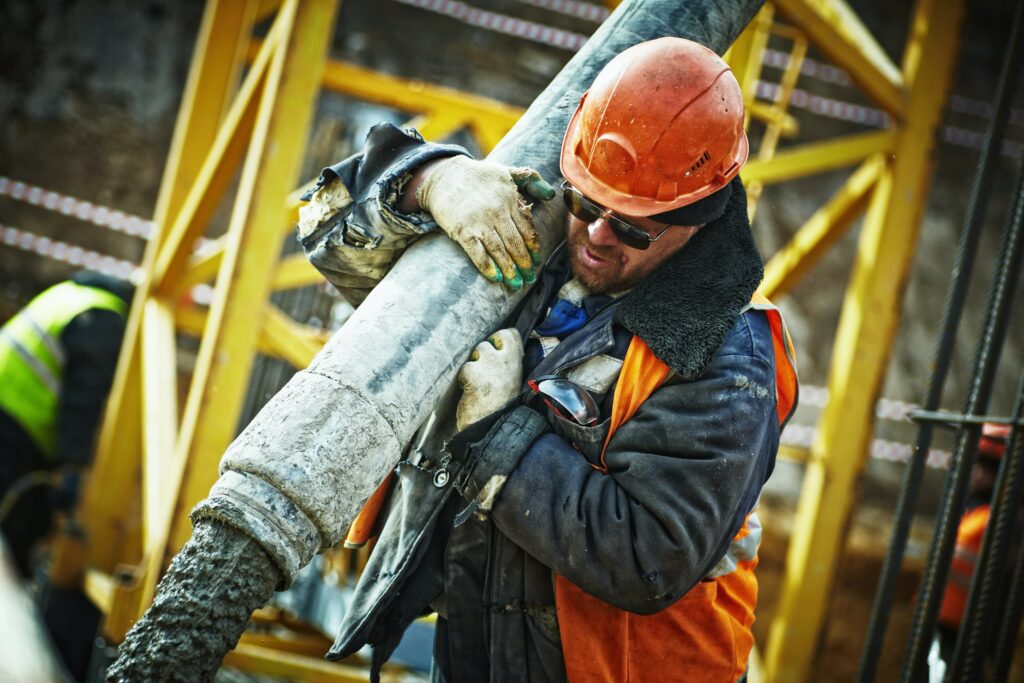
Firstly, we have joint overuse. Jobs with high physical demand, mainly blue-collar jobs, can cause joints to work overtime every day. This daily overworking of the joints can wear and tear on your joints which can contribute to the development of Osteoarthritis. Examples of job activities that may cause OA in the future include jobs that require:
This is why it is important to take frequent breaks while on the job, especially as you get older. This also applies to people who participate often in high-impact sports like sprinting, boxing or acrobatics.
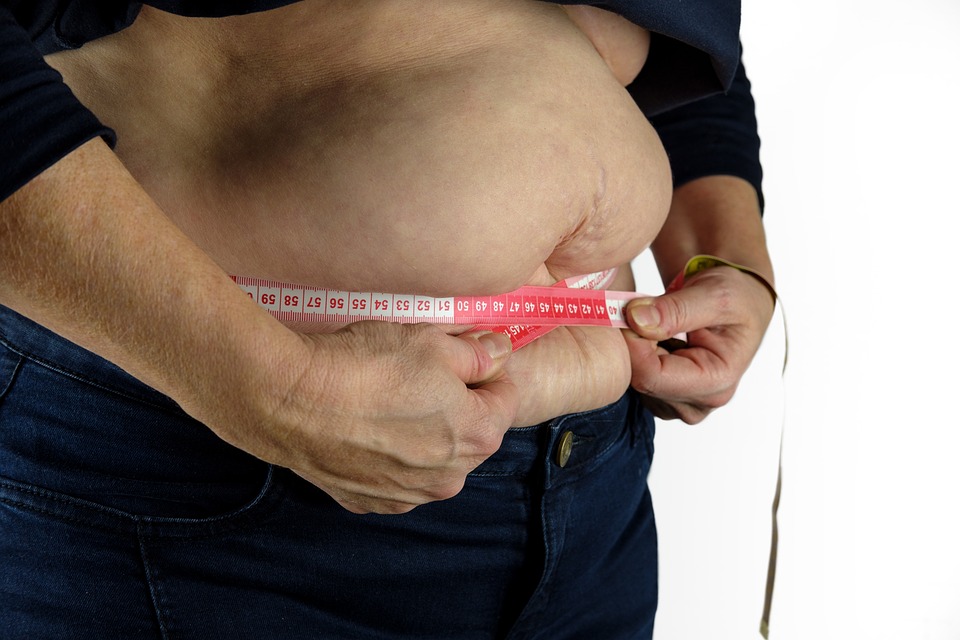
Obesity is a major cause of many health conditions and puts you at risk of developing many severe chronic health issues, osteoarthritis is one of them. According to the John Hopkins Arthritis Center, overweight people have 4-5 times more risk of developing Knee OA compared to a non-obese person! This is likely due to the increased pressure on the weight-bearing joints like the lower back and knees. Managing your weight through a caloric deficit and frequent low-impact exercise like swimming can help prevent osteoarthritis that can occur as a result of obesity.

Poor posture places pressure on your joints. Your head weighs as much as a bowling ball and is supported by your neck, shoulder and upper back muscles. You only get to rest your neck while sleeping. Keeping a poor neck posture places a lot of stress on the joints as your muscles will be stretched out to compensate for the poor posture. In the long-term, poor posture will contribute to wear and tear of your muscles and joints and can develop into osteoarthritis. Most readers will be reading this article on a laptop or phone, this is your reminder to lift your chin and straighten your back!
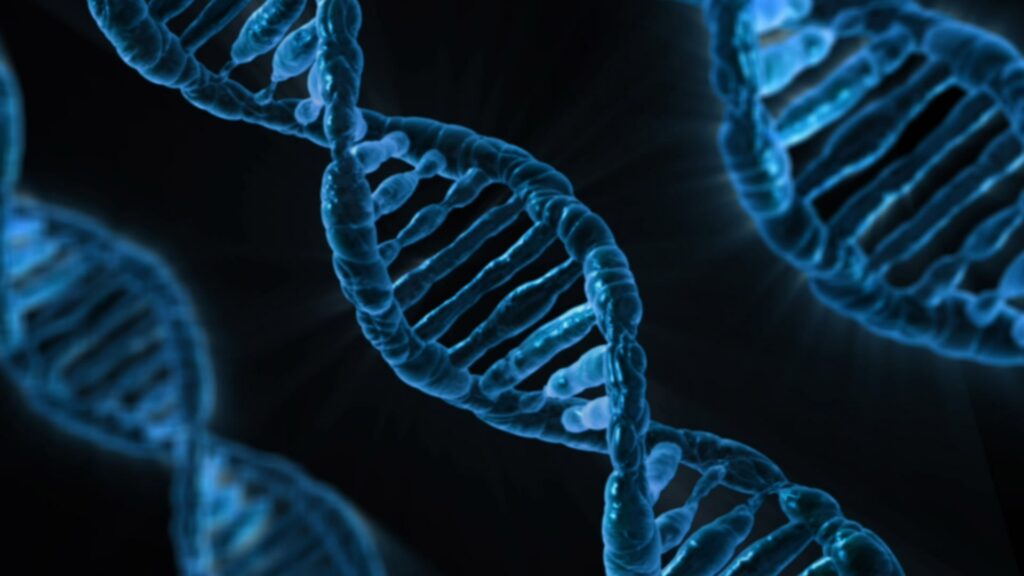
Though people cannot inherit osteoarthritis as a condition, the predisposition to developing osteoarthritis can be genetically inherited. However, the pattern of inheritance or respective genes is still unknown. If you have parents who have suffered from osteoarthritis, then it is important to go for frequent screenings and prevent the preventable risk factors of osteoarthritis as described earlier in this article.
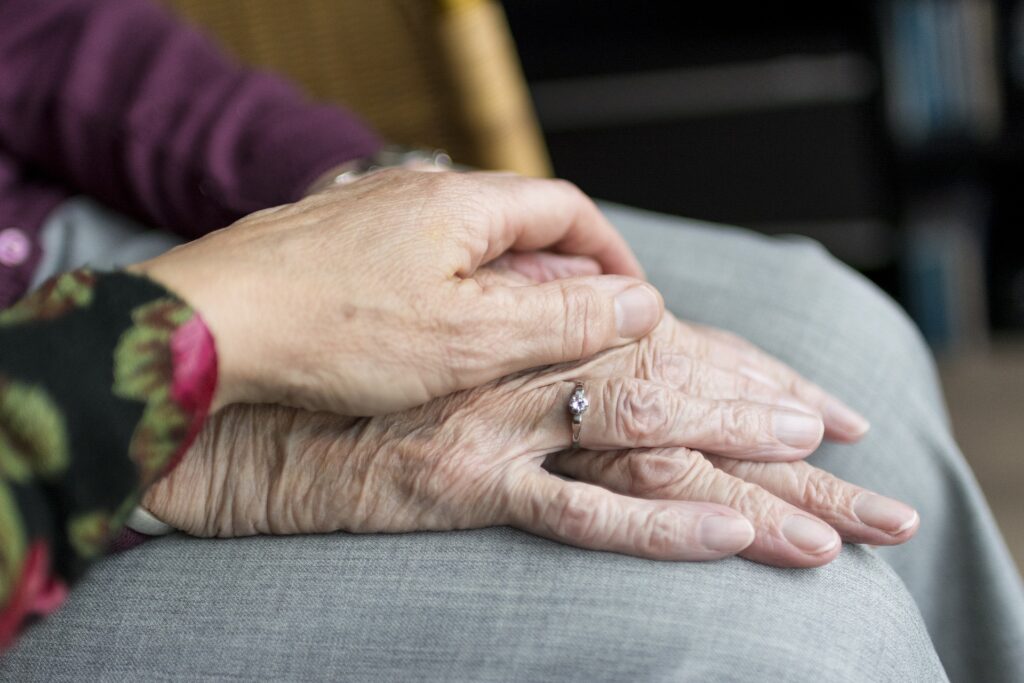
Aging is one of the greatest risk factors for Osteoarthritis and aging is also unavoidable. However, it is important to note that OA is not inevitable for those who are getting older. As a person gets older, their cartilage becomes more brittle, their bone structure weakens and their muscles will degenerate. These all contribute to increased pressure on the joints and can contribute to osteoarthritis.
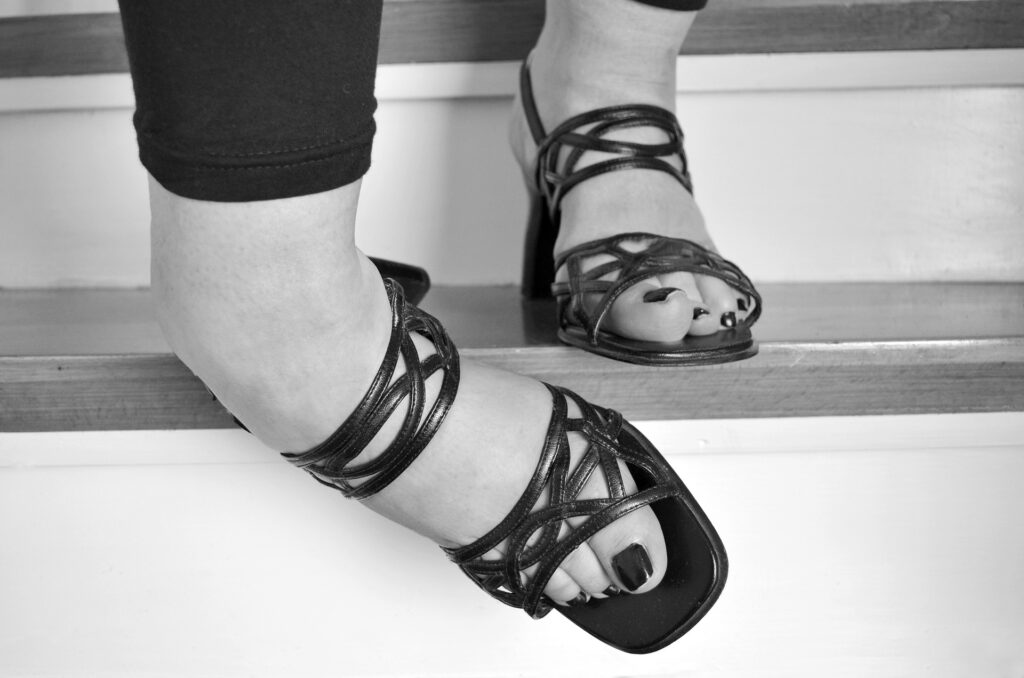
Arthritis that develops after an injury is called post-traumatic arthritis. This type of arthritis accounts for 10% of OA cases and affects more than 5 million people globally each year. Joint injuries are 7 times more likely to develop into arthritis compared to joints that have not experienced any trauma. As injuries are inevitable in life, the most we can do to manage this risk factor is to ensure that we receive appropriate care and rest for the injured joint while it recovers.

As mentioned above, obese individuals are more likely to develop OA in the future. Extra fat also contributes to changes in cartilage production in the body. There are many safe ways to lose weight including managing your caloric intake and exercising frequently. For more options on weight loss, you should consult a healthcare professional such as a dietician or a doctor.
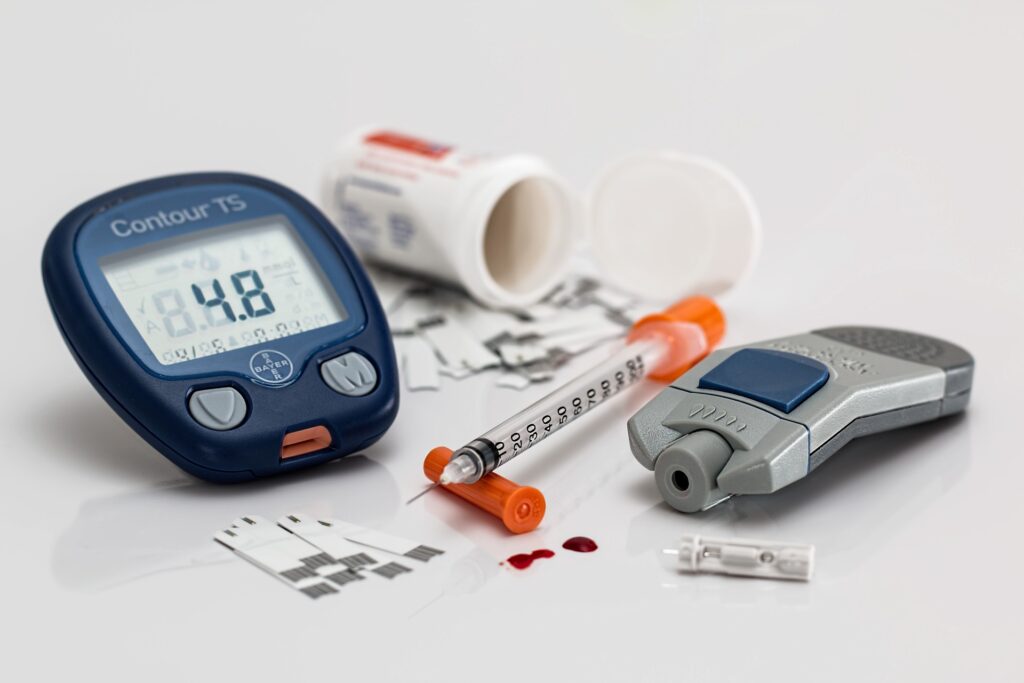
Diabetes is a risk factor that can contribute to osteoarthritis development. Conduct frequent blood tests to monitor your blood sugar.
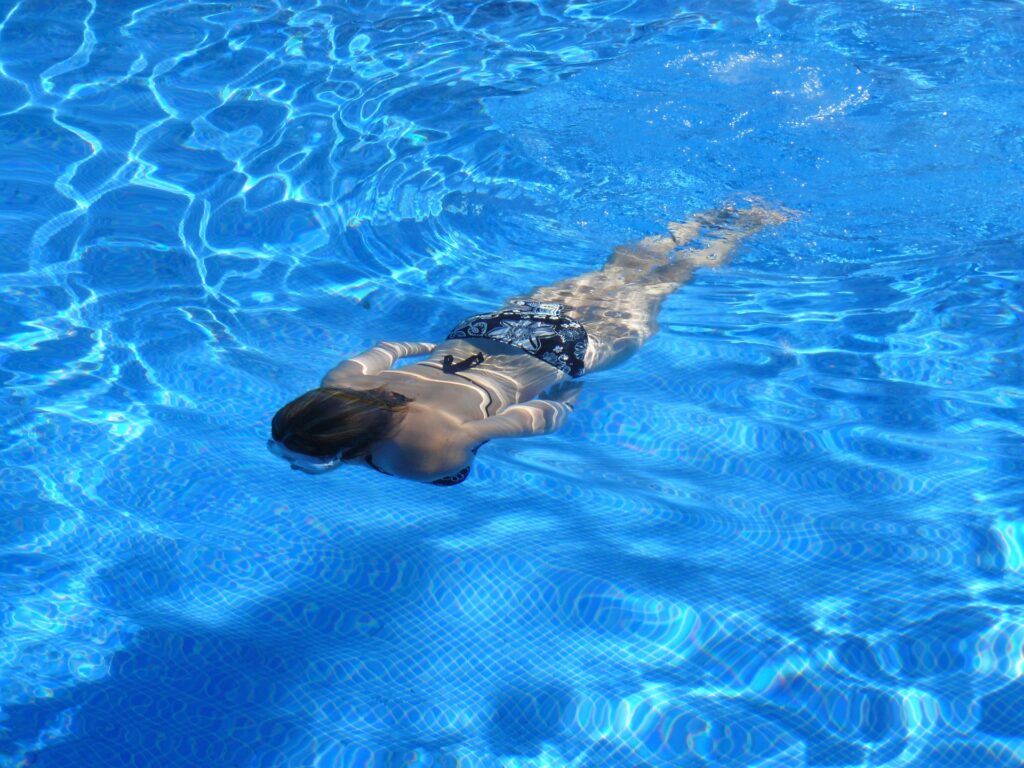
Low-Impact Exercises refer to exercises you can do without placing high impact on your joints. Low-impact exercises like swimming or brisk walking are great for strengthening your muscles, losing weight and reducing pressure on your joints. It is recommended to get at least 30 minutes of exercise or 6,000 steps a day. Though it may be challenging to start exercising frequently, discipline becomes a habit eventually so don’t give up!
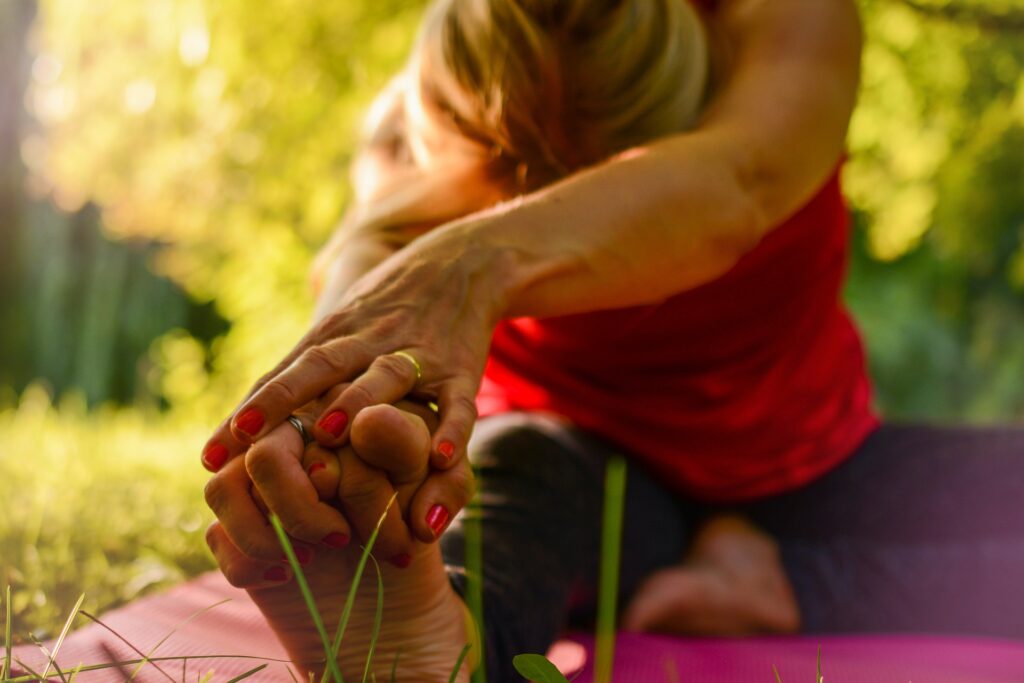
If you experience joint pain that lasts for more than an hour after exercise, you may have caused injury or overworked that joint. Rest the joint and use an ice pack or a hot pack to relieve the inflammation. Consider visiting a physiotherapist or a doctor to assess your condition.
There is no cure for osteoarthritis but there are ways to manage it through medication, devices and tools, therapies, and in severe cases, surgeries.

Medications that may be used include pain relievers, Nonsteroidal anti-inflammatory drugs (NSAIDs) and Counterirritants. There are options available over the counter and as prescribed by the doctor. Anti-inflammatory medication such as corticosteroids can be administered by your doctor.
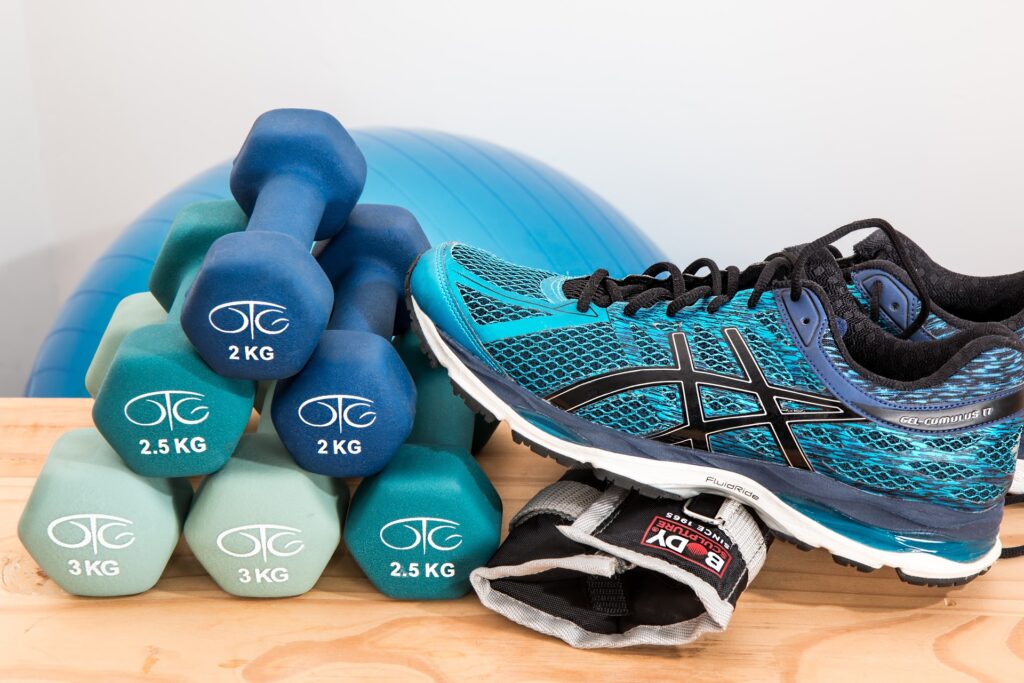
Exercise is a key component of managing osteoarthritis after developing it. These exercises include strengthening, stretching, balance and cardiovascular exercises. Combined with a diet plan to lose weight, these exercises will help strengthen your body and help reduce pressure on your joints.
Joint replacement surgery by an orthopaedic surgeon may be an option for you in severe cases. An orthopaedic surgeon will help identify what is the best procedure to be done depending on which joints are damaged and how badly.
Hi-Bliss Hydrogen Therapy combines the anti-inflammatory properties of Molecular Hydrogen and a team of highly-trained physiotherapists to help people who are suffering from osteoarthritis improve their condition and reclaim their active and healthy lives.
During your first session with Hi-Bliss, our physiotherapists will conduct a few health assessments to identify the state of your condition. It will be helpful to bring some of your scans or medical reports from previous doctor visits.
Then, our therapists will perform a palpation check, a sense-of-touch test to identify muscle weaknesses and stiffnesses.
When that is done and treatment points are identified, our physiotherapists will spray molecular hydrogen gas onto your body.
Hydrogen gas is non-invasive but due to its nature as the smallest molecule, it can penetrate your skin painlessly to relieve inflammation in your body and joints. This is done by reducing oxidative stress by neutralising free radicals. There are no side effects to Hydrogen Therapy so no worries and no fuss. All you need to do while undergoing Hydrogen Therapy is just relax!
After being sprayed with Hydrogen gas, our therapists will conduct manipulation on your body. This includes some static stretching and massages.
Finally, your Hi-Bliss Therapist will teach you some basic stretching and strengthening exercises to do at home for a holistic healing experience.
A conversational webinar about osteoarthritis, its causes and various methods to manage it via physiotherapy and hydrogen therapy. This talk was held on the 3rd of July 2022 with speakers Dr Noor Azliyana Bt Azizan and Prof. Dr. Yeong Chai Hong. Dr Noor has a PhD in Health Sciences from Universiti Teknologi MAR and is a Senior Lecturer for the Centre of Physiotherapy, Faculty of Health Sciences, UiTM. Dr Yeong has a PhD in Medical Physics from University of Malaya and is a Professor of the School of Medicine, Taylor's University.
Gout is one of the oldest recorded diseases, with accounts dating back to ancient Egypt. This incredibly painful arthritis affects millions of adults today just as it did in historic times. Though this old disease is becoming more common, but gout can be easily treated and then prevented — with the right care.
Gout is the most common type of inflammatory arthritis that happens when levels of uric acid — a normal byproduct of metabolic reactions in your body (from the breakdown of purines) - become too high. When levels of uric acid get so high that your body can’t easily dissolve and excrete it (via urine), uric acid starts to crystallize. Uric acid crystals deposit themselves in the joints where they cause severe inflammation.
When gout causes severe joint pain, it is called a gout attack, a gout flare-up, or acute gout. Pain is typically accompanied by extreme joint tenderness, swelling, warmth, and skin redness. Gout causes sudden (without warning) and severe joint pain that usually starts in the big toe. Though the big toe is a well-known site of gout attacks, but gout can strike many different joints and areas around the joints. Joints commonly affected include the big toe, the foot’s instep, heel, ankle, and knee. Less often, gout affects the elbow, wrist, fingertips, or spine. These attacks may last a week or two, and another may not occur for months or even years.
Men are three times more likely than women to develop gout. It tends to affect men after age 40 and women after menopause. It is also interesting to know that there are differences between men and women and in which joints are affected:
While women are less likely to get gout, they are more likely to have multiple joints affected by gout.
Gout symptoms can be confused with another type of arthritis called calcium pyrophosphate deposition (CPPD). However, the crystals that irritate the joint in this condition (CPPD) are calcium phosphate crystals, not uric acid.
How a Gout Flare-Up Develops
Gout often develops in some people who have high levels of uric acid from the breakdown of purines, which are found in human cells and many foods, including red meat, organ meats and some seafoods.
Gout results from a build-up of uric acid crystals (monosodium urate crystals) in a joint. These needle-like, microscopic crystals collect in the soft tissue of a joint, causing pain that can be excruciating, as well as swelling, redness, and warmth.
What are Purines?
Purines are important substances necessary for making amino acids, which are the basic building blocks of the human body. Purines are a natural substance found in some foods and is present in all body tissues (and human cells). Our bodies are continually processing purines, breaking them down and recycling or removing the byproducts. When your body digests purine, it produces a waste product called uric acid. A buildup of uric acid crystals in the joints can cause certain health issues.
Purines are found in many foods, aren't all bad, but you want to avoid high amounts. Purines can be found in many foods including (red meat, organ meats and some seafoods), and at different levels. Here are the list of foods that are high in purine content:-
How uric acid crystals form
The build-up of uric acid crystals begins with purines, a chemical compound found in many foods.
Other causes of Gout may result from genes and gender; other health conditions, like high blood pressure, diabetes, obesity or psoriasis; some medications; a high-purine diet. Stress and Injury, an infection or severe illness can also trigger a flare. Starting medicine to lower uric acid may also trigger a flare, so you may need another medication to prevent it.
Why do Gout Flare-Ups Happen at Night
It is not uncommon for gout to flare-up in the middle of the night, waking a person from a sound sleep. In a research study (Nocturnal risk of gout attacks. Arthritis Rheumatol) conducted on more than 700 gout patients, found that flare-ups were 2.4 times more likely between midnight and 8 am than between 8 am and 4 pm. Researchers theorize gout attacks often occur at night because:

Acute Gout vs. Chronic Gout
Acute gout attacks are characterized by a rapid onset and escalation with joint pain typically peaking within 24 hours of attack onset. The pain starts suddenly, often during the night. Other symptoms may include severe pain, often described as throbbing, crushing, or excruciating, the joint appears warm and red, and often very tender and swollen and there may be a fever.
An acute attack often begins to remit after 5 to 12 days without treatment, but complete resolution may take longer in some patients. The pain and swelling most often will go away after the first attack, however many people will have another attack in the next 6 to 12 months.
Others experiencing repeated instances of acute gout ie relapsing problem with multiple severe attacks that occur at short intervals and without complete resolution of inflammation between attacks are called Chronic gout (aka gouty arthritis). This condition can cause significant joint destruction and deformity and may lead to permanent damage of a joint’s tissues and decrease/loss of motion in the joints. May also be confused with other forms of chronic inflammatory arthritis such as rheumatoid arthritis. People with chronic gout will have joint pain and other symptoms most of the time.
People who already have osteoarthritis — the most common form of arthritis ~ often experience their gout attacks in the joints of the finger.
For this reason, it is important to recognize symptoms, understand risk factors, get an accurate diagnosis, and treat and prevent gout.
A combination of one or more of these strategies can help prevent uric acid build-up that leads to a gout attack.
Consuming alcohol inhibits the body’s ability to excrete uric acid, increasing the risk of hyperuricemia and a gout attack. If you can’t avoid alcohol, stick to wine instead.
Instead, increase the intake of foods that are high in antioxidants and anti-inflammatory properties plus Vitamin C-rich vegetables and fruits. Examples of foods to add in your diet are:- dark berries, like blueberries, cherries, legumes, nuts (almonds and walnuts), Omega 3 fatty acids (salmon, mackerel), Tofu/Soy, Pineapple, oranges, grapefruit, broccoli, red peppers. and Coffee.
Increasing water intake will help keep the kidneys healthy and help them flush out uric acid from the body.
Obtaining and maintaining a healthy weight through diet and exercise helps reduce the risk of gout. If you do need to lose weight, make sure your weight loss is gradual as crash diets can increase uric acid levels.
Aim to complete at least 30 minutes of physical activity at least 3 – 4 days in the week.
While more research is needed, some evidence suggests that treating sleep apnea may significantly affect the frequency of gout episodes as increasing oxygen intake may lower uric acid production and thus reduce the risk of a gout attack.
Emotional stress can also bring on a gout attack. So can physical trauma to the foot (such as might occur during running), which may release some crystals and cause an inflammatory reaction.
Learn more how Hi-Bliss Hydrogen Therapy and our Detox Program can help eliminate excess Uric Acid here: https://hi-bliss.com/muscle-joint-programs/ Hydrogen with its antioxidant and anti-inflammatory properties is able to effectively reduce inflammation and flush-out toxins hence minimizing Gout flare-ups.
Osteoarthritis (OA) is a joint disease that is characterised by damage to the joints which affects synovial fluid, cartilage, bones, muscles, blood supply and nerves. It happens when the protective cartilage that covers the tips of our bones is gradually worn down and this causes multiple bones to rub against each other. This ultimately leads to pain and eventual loss of function.
Osteoarthritis also affects other connective tissues and muscles related to the affected joint. For example, knee osteoarthritis may affect the connective tissues and muscles in the thighs, calf, buttock and even other joints like the hip and ankle. Having said that, OA does not only affect the knee joint, it also affects the joints in the hands, hips, and spine.
Proper use of the joints will keep it lubricated and this stimulates the repair and rebuilding process. On the other hand, lack of joint use causes the cartilage to become dryer, more brittle and more prone to damage over time. This tends to happen in the parts of the joint surface that is related to ranges of motion that are not being used sufficiently. As time passes, the damage and pain become so severe that it leads to deformities that cannot be corrected and this would leave surgery as the only option.
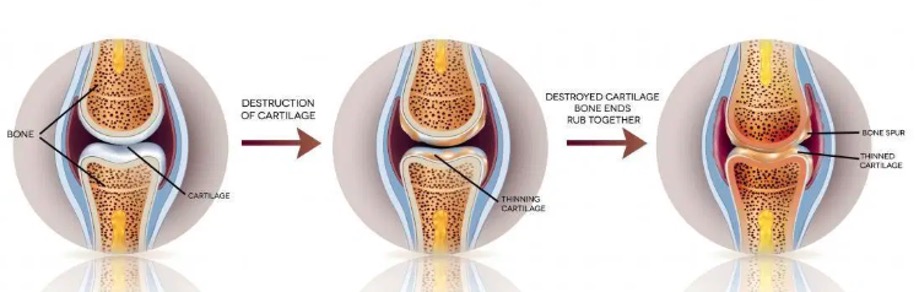
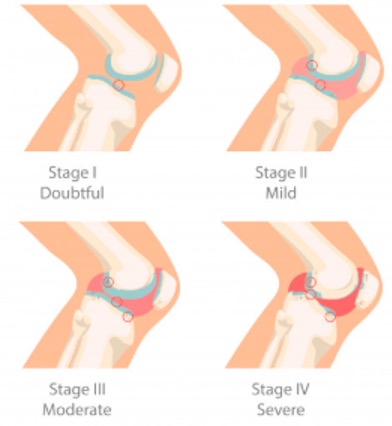
OA of the knee progresses in stages and takes many years to develop. This condition can be hard to treat because symptoms may not appear until OA reaches an advanced stage. OA is divided into five stages (5) with stage 0 representing a healthy & stable knee. As the stages progress, pain and stiffness increase. Here we will focus on the 4 Stages of OA, from Minor to Severe.
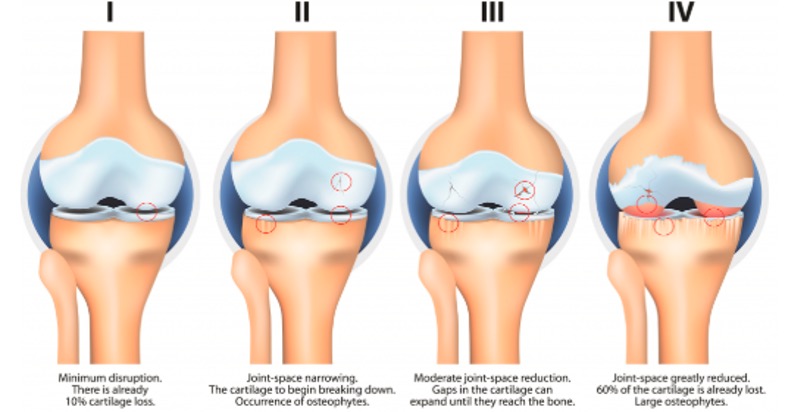
Stage 1 - Minor / Doubtful
Stage 2 - Mild
Stage 3 - Moderate
Stage 4 - Severe
Osteoarthritis can be classified into 2 categories:
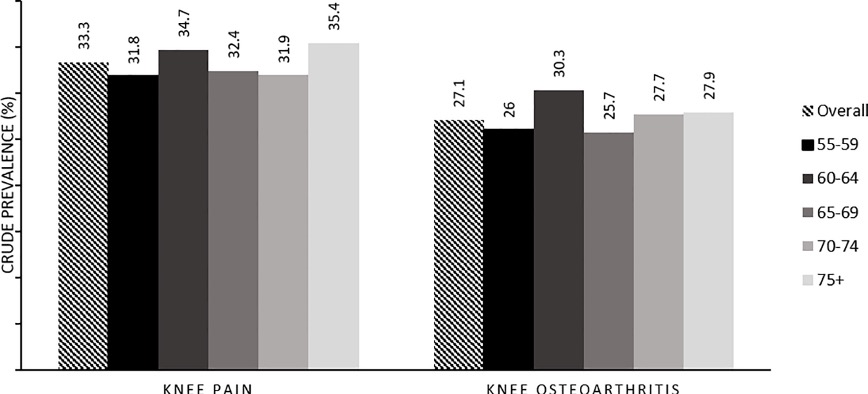
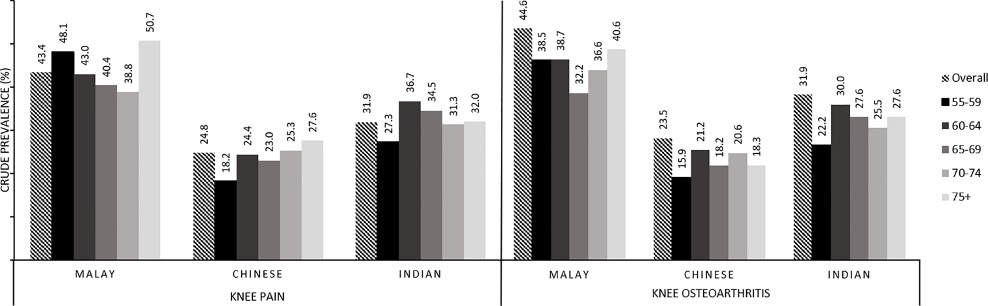
Symptomatic knee OA is currently the fourth leading cause of disability worldwide, [4] with an estimated prevalence of 70–80% in the population aged 55 years and older [5]. An ageing Asia with longer lifespan suggests ever-greater numbers of knee OA, among other chronic conditions [6]. The point prevalence of knee OA in Malaysia today is estimated to be 10–20% of the total adult population [7].
While osteoarthritis can occur in any joint due to injury or abnormality it is much more common in certain joints, particularly weight bearing ones. It is often symmetrical, occurring to some degree in joints on both sides.
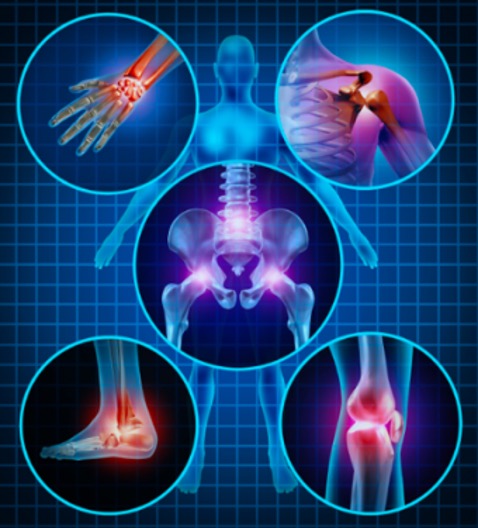
We shall look into the signs and symptoms of OA and how Oxidative Stress can lead to OA in our next Blog.
Learn more how Hi-Bliss Hydrogen Therapy can help slow down the progression of OA here : https://hi-bliss.com/muscle-joint-programs/
OA is diagnosed by a triad of typical symptoms, physical findings, and radiographic changes. The American College of Rheumatology has set forth classification criteria to aid in the identification of patients with symptomatic OA that include, but do not rely solely on, radiographic findings. Diagnosis of Osteoarthritis is done by noting the signs and symptoms:

There are several ways in which OA can impact the quality of life such as increasing stress and sleep disruption due to pain that has intensified. Osteoarthritis also reduces the ability to perform normal activities in our daily life and reduces productivity. It can also lead to problems with anxiety and depression.
Pain and stiffness can decrease your desire to be active. Not only does a lack of activity limit your enjoyment of life — it can also reduce muscle mass which leads to muscle tightness and a risk of falling and suffering from other injuries. Muscles are more prone to injury when it is tight or weak, and micro-tears lead to scarring of the muscles that can disrupt normal muscle function, therefore affecting the surrounding connective tissues.
Lack of activity can also lead to weight gain. Extra weight may exacerbate OA symptoms, and this may lead to an increased risk of getting other complications such as:
Other complications that can arise from OA are:

A number of factors may put a person at risk of developing OA. Making changes may not prevent the condition, but a person may be able to reduce their risk or keep OA from advancing.
The Arthritis Foundation suggest the following:


Oxidative stress happens when there is an imbalance between the number of free radicals and antioxidants in our body. This is particularly harmful as it can lead to cell and tissue damage. Oxidative stress is considered a main causative factor in the pathogenesis of OA. Many pro-inflammatory mediators or free radicals are elevated in OA, including Reactive Oxygen Species (ROS), and Reactive Nitrogen Species (RNS).

The excessive production of free radicals can harm cell functionality as it damages cellular lipids, proteins and DNA. Free radicals can give rise to cartilage apoptosis/ cell death, thus accelerating articular cartilage dysfunction and degeneration.

Oxidative stress is known to be detrimental to many cells and to occur during disease and with ageing. It has also been implicated in the development of OA. Although osteoarthritis has been traditionally classified as a non-inflammatory arthritis, however evidence has increasingly shown that inflammation occurs as cytokines and metalloproteinases are released into the joint. Inflammation get worse when more of these agents are released, especially when triggered by excessive free radicals. Inflammation in the cartilage and synovial leads to loss of joint structure and progressive damage to the cartilage, causing OA to become worse. Inflamed articular cartilage still remains a huge hurdle to treat due to the limited self-healing capacity of the cartilage which lacks nerves and blood supply.
Hydrogen therapy is one of the newest and most effective treatments to manage arthritis due to its role as a therapeutic antioxidant. It is able to selectively neutralize free radicals in the affected area which reduces inflammation and prevents further damage to the joint, thereby slowing down the progression of OA. As hydrogen is the smallest molecule on earth, it is able to diffuse itself into the targeted cells without affecting the functions of other cells and organs.
Based on a research by Ding Li and Wan Chun Wang in the year of 2012, hydrogen is considered to be a selective antioxidant and can be used as a kind of therapeutic medical gas. This further reinforces the idea that hydrogen treatment can help to decrease the damage of cartilage caused by oxidative stress.
In Hi-Bliss Hydrogen therapy centre, we combine the therapeutic benefits of hydrogen therapy with osteopathic manual practices. Our certified physiotherapist will perform the Osteopathic Structural and Functional Examination on the lower limb area to find out the root cause of the pain by measuring the Range of Motion (ROM), Muscle Strength, Gait Analysis, Posture Alignment, Quality of Movement, Pain during Movement, Muscle Bulk and Tone. The hydrogen treatment aims to suppress inflammatory factors such as free radicals and slow down the progression of osteoarthritis.
By combining the Hydrogen with Osteopathic practices, we help our clients reduce pain in the joint, slow down the progression of OA and ultimately help them return to normal daily life. Hydrogen therapy is efficient in treating the inflamed joints caused by OA by repairing the internal cells in our body while our physiotherapy/osteopathic techniques helps to improve the external muscles caused by muscle imbalance. We will also educate clients about suitable stretching and strengthening exercise that aims to manage symptoms and improve joint function, flexibility and balance.
By reducing the number of OA symptoms, it will improve your ability to get around and increase your quality of life.
Learn more how Hi-Bliss Hydrogen Therapy can help slow down the progression of OA here : https://wordpress-851564-2937612.cloudwaysapps.com/treatment-services-osteoarthritis-therapy/
Arthritis is a group of painful and degenerative conditions marked by inflammation in the joints that causes stiffness and pain. Osteoarthritis, the most common type of arthritis, gets worse with age and is caused by wear and tear over the years. Rheumatoid arthritis is caused by the immune system attacking the joints as if they were foreign tissues. Because of this, rheumatoid arthritis is classified as an autoimmune disease.
Arthritis is commonly treated with anti-inflammatory medications and painkillers. However, some medications causes side effects, and a natural approach to pain relief is becoming more popular. An estimated 46 million people suffer from the aches and pains of arthritis on a daily basis – and it looks like things are only going to get worse. The CDC is estimating that by the year 2030, more than 67 million people are going to be diagnosed with this painful condition.
For those who are suffering now, relief is here.
You may already utilize hot and cold techniques when you are in pain, but when it comes to arthritis pain, there's nothing that works more quickly or more efficiently than applying different temperatures to the afflicted joints.
The idea behind these two relief techniques is that when you apply heat to an affected area, it can help the muscles and other connective tissue to relax and to release tension. This also reduces the blood flow to the area as your body does not need to warm that body any more with excessive blood circulation.
On the other hand, when you apply cold to an area, you are helping to numb the pain and the aches of that part of your body. And since you are cooling that part of your body, it actually increases the blood flow to the area as your body responds to an upset in the normal temperature.

Most people don't need to be told twice to go get a massage, so if you've been debating it for your arthritis pain, now's as good a time as any to get on a massage therapist's table.
Massage involves the manipulation of the muscles and connective tissues of the body. With direct pressure and movement of these areas, the patient's body can relax and they can release pain. Acupressure, Shiatsu, Deep Tissue Massage, Reflexology are some of the popular massages.

A stiff body is often a sign of a 'stiff' mind, it's thought. When we have stressful thoughts and ideas, we can often project this stress into our bodies in the form of muscle tension – not good for those who have troubles with arthritis.
To help release your mind's anxiety and your body's tension, it can help to have a few relaxation techniques on hand for instant relief. Try Meditation or Deep Belly Breathing to help relax you body and mind.

While it seems contradictory to move around more when you're in pain, this is one of the best ways to free your body from pain. When you try to stay still during a bout of arthritis pain, you should get moving as it will increase blood circulation (and bring warmth to the various parts of your body), prevents your muscles from stiffening and weakening or simply to distract yourself away from the pain.

The surrounding muscles of the tight and aching joints of your body are often more tense than you may realize. But when you are having arthritis pain, that tightness and that stiffness is that last thing you need to have present. You need to loosen things up a bit by taking the time to stretch. Stretching is something anyone can do anywhere, anytime, and the more you do it, the more benefits you will feel.
Stretching will:
• Improve your flexibility
• Improve your balanced
• Soothe stiffness and tightness
• Help to prevent pain from arthritis
Your weight can make a big impact on the amount of pain you experience from arthritis. Extra weight puts more pressure on your joints — especially your knees, hips, and feet.
Reducing the stress on your joints by losing weight will improve your mobility, decrease pain, and prevent future damage to your joints.
The idea that you simply need to change your attitude is probably not the first thing you think of when your joints begin to ache. After all, arthritis is painful, very painful, so what else can you do but complain about it?
However, each time you complain, you can be doing several things to your body:
Yes, an optimistic attitude CAN help your arthritis pain.
When you have arthritis pain, there are a number of different things you can do in order to alleviate said pain. But one of the most effective methods of relieving pain is simply distracting yourself.
The mind is a powerful healing tool, one which many of us forget to use when our bodies are stiff and our joints are achy. While the brain can become hyper-focused on pain, it can be just as easily led to think about not being in pain.
No matter what arthritis treatment you choose, you have many more options than even your doctor may have realized. And with these options comes the power to take charge of your own health and your own pain management process.
While each patient is different, there is a treatment plan for everyone. By using some of these pain relief possibilities, you can experience a life that's less limited and more enjoyable.
Arthritis may be seen as just a condition of getting older, but it doesn't need to be something that stands in the way of your life and of your ability to live your life.
You do have choices – so why not start testing a few out to see what works best for you?
Learn more how Hi-Bliss Hydrogen Therapy and our Osteoarthritis Program can help relief the pain here : https://wordpress-851564-2937612.cloudwaysapps.com/treatment-services-osteoarthritis-therapy/
Osteoarthritis (OA) is the most common form of arthritis, usually affects us as we grow older. Do you know that 1 out of 5 Malaysians suffer from OA and the most common form of OA is knee OA. Check out our Hi-Bliss Hydrogen Therapy Osteoarthritis Program in this simple infographic and 'Don’t suffer another day.’


 EN
EN  ZH
ZH  BM
BM